Bench
Hardware
Two embedded projects: Keero Bot, a modular ESP32-S3 device platform, and Moto32, an open-source motorcycle control unit. The focus is on stable firmware and hardware that is easy to maintain.
-
Modular by design
One compact core, many physical configurations through modules.
-
Local-first processing
Behaviour that works on the bench with the network unplugged.
-
Firmware and behaviour co-design
The state machine and the board are drawn together, not bolted on later.
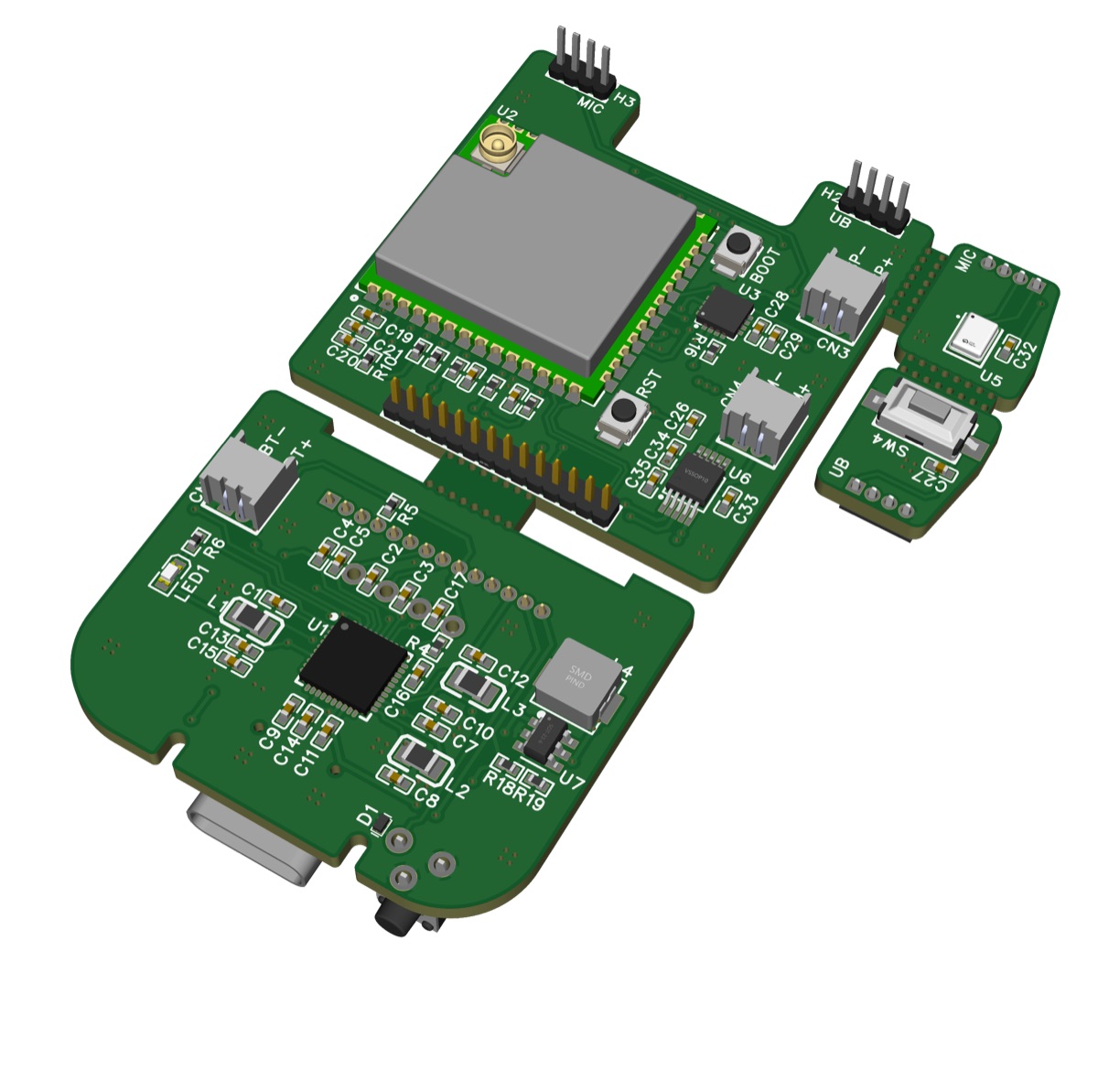
Keero Bot
A modular, voice-first device platform. One ESP32-S3 core board carries audio, sensing, display and camera paths, and modules turn it into a desk companion, a tracked bot or a dock-charged assistant. Sponsored by PCBWay.
- Core
- ESP32-S3, dual-core 240 MHz, PSRAM
- Audio
- I2S microphone and amplifier paths, local wake and DSP
- Sensing
- Sensor header, haptics, OLED and camera interfaces
- Power
- Battery charging, USB-C, dock contacts
- Expansion
- Mainboard plus stackable module boards
- Firmware
- C++ on PlatformIO, MCP tool integration
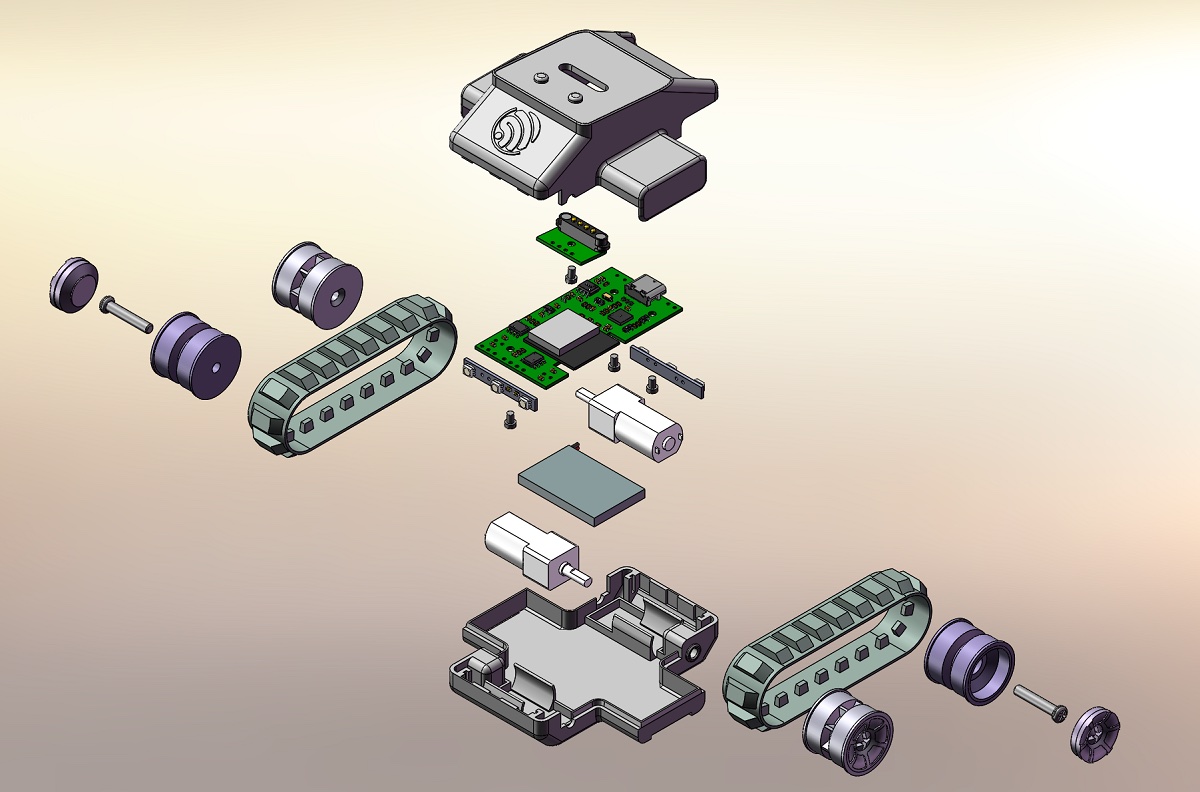
Why it exists
The useful part is the system, not the board: local audio paths, expressive state logic and a firmware architecture that keeps growing without turning into a tangled prototype.
Moto32
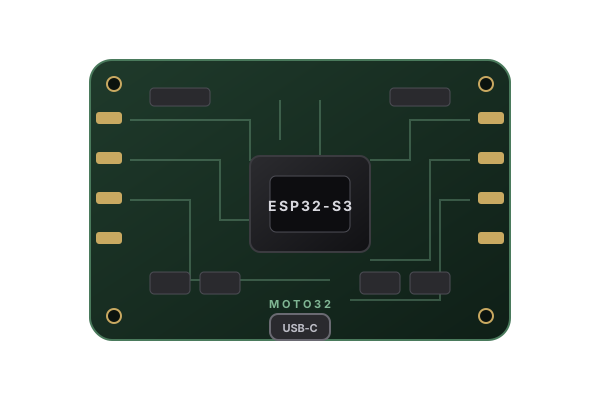
An ESP32-S3 motorcycle control unit built as an open alternative to commercial M-Unit style systems. It grew out of the Canarin Garage CX500: custom wiring should be cleaner, understandable and easier to service than a pile of relays under the seat.
- Core
- ESP32-S3, 8 MB flash, 2 MB PSRAM
- Outputs
- 8 MOSFET-protected channels for lights, horn, ignition
- Protection
- Automotive TVS diodes and fusing, 12 V nominal
- Programming
- USB-C, Arduino IDE or PlatformIO
- Wireless
- Wi-Fi and Bluetooth 5.0
- Licence
- MIT: schematics, BOM, pick and place, 3D files
Bench notes
Writing from the lab

Why Keero Bot Is An AI ESP32 Device
Keero Bot is a modular ESP32-S3 AI device, not just a robotics shell: audio, behavior, firmware, modules, and interaction design are treated as one product.
Read note Moto32 Hardware Platform Notes
Moto32 is the motorcycle electronics bench project: ESP32-S3 control, protected outputs, USB-C programming, and a cleaner path for custom bike wiring.
Read note